
ClinicianCore Platform Walkthrough: A Demo with Dr. Kevin Halow, MD MBA
n this special platform walkthrough, Dr. Kevin Halow, MD MBA, Co-Founder and Chief Medical Officer of ClinicianCore, provides a screen-by-screen demonstration of the ClinicianCore platform and how it is designed around the way physicians actually communicate and work.
The episode walks through the Priority Box, HCO Practice HQ, HCC Consult Core, Physician Lounge, secure chat, encrypted audio and video calls, live CPT documentation, and the built-in AI assistant. Dr. Halow demonstrates how ClinicianCore brings clinical communication into one unified, HIPAA-compliant environment while helping physicians prioritize urgent information, document consultations, and reduce administrative friction.
The walkthrough ultimately positions ClinicianCore as more than a messaging application—a physician-centric unified communication network designed to streamline clinical workflows, support revenue capture, strengthen secure collaboration, and help physicians spend less time managing communication infrastructure and more time practicing medicine.
Care Transition Failures and Hospital Readmission Risk: What the Evidence Shows
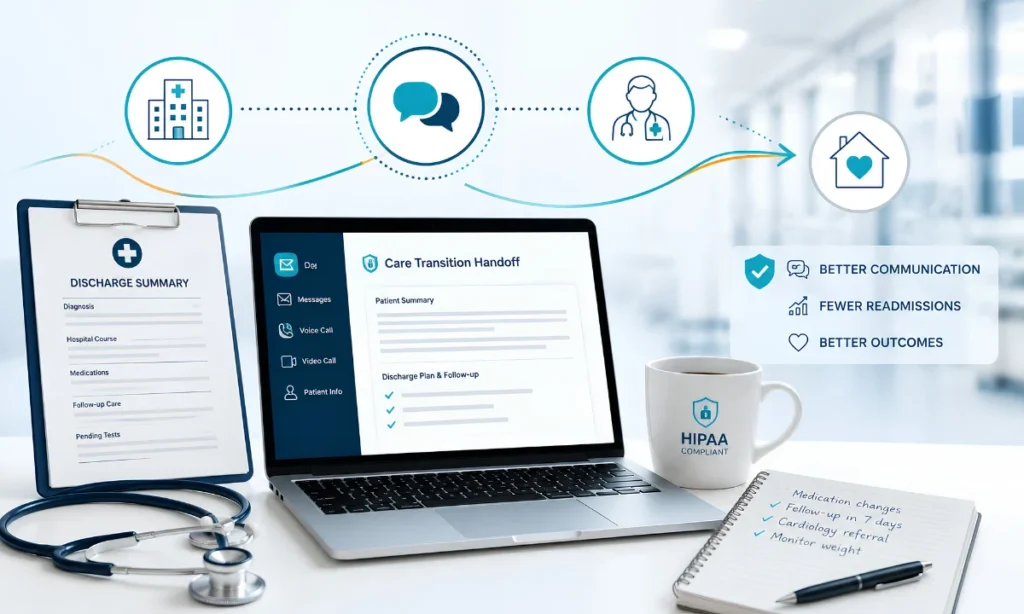
Every discharge is a transfer of trust. The hospital physician hands a patient to the community physician and assumes the clinical story travels with them. Too often, it does not.
Beyond Secure Chat: The Journey to an AI-Native Clinical Communication Platform
In this episode of The Connected Practice, Dr. Kevin Halow, Co-Founder and Chief Medical Officer of ClinicianCore, explores why healthcare needs to move beyond traditional secure messaging toward an AI-native clinical communication platform.
The episode examines how fragmented communication tools, constant alerts, administrative friction, and documentation demands contribute to physician burnout. Dr. Halow explains how an AI-native approach can address these challenges through smart alert routing, unified voice/video/text communication, ambient clinical intelligence, and physician-centric collaboration.
He also explores the four key pillars of the ClinicianCore ecosystem: HCO for unified organizational communication, HCC for healthcare collaboration and consultation workflows, HCX for professional and industry exchange, and the Physician Lounge for trusted physician-to-physician connection.
Ultimately, the episode looks at how intelligent communication orchestration can reduce cognitive overload, simplify documentation, strengthen clinical collaboration, and help restore the joy of practicing medicine
Joint Commission Patient Handoff Guide (2026)
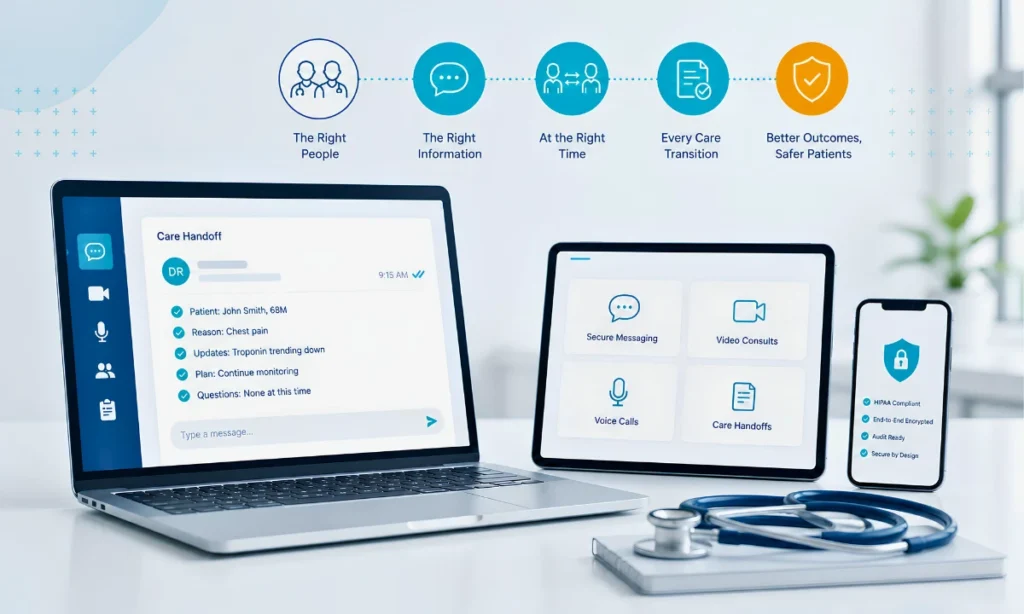
Care handoff documentation Joint Commission 2026 requirements are governed by NPSG.02.05.01, the National Patient Safety Goal requiring structured handoff communication at every care transition. Most physicians believe that thorough verbal summaries, supplemented by EHR notes, satisfy this standard. Under the current Comprehensive Accreditation Manual, they do not.
The $180,000 Conversation That Never Happened

In this episode of The Connected Practice, Dr. Kevin Halow, Co-Founder and Chief Medical Officer of ClinicianCore, explores why FHIR-native clinical communication is becoming an important operational requirement for healthcare organizations in 2026.
He explains how fragmented EHR systems and disconnected applications create interoperability challenges, administrative burden, and communication friction for physicians. The episode examines APIs, HL7 FHIR, SMART on FHIR, and CMS-0057-F, along with the changing requirements around prior authorization.
Dr. Halow also discusses how ClinicianCore is building an intelligent communication layer designed to connect clinical workflows with compliant healthcare systems. From HCC Consult Core and billable consultations to HCX communication and the Physician Lounge, the episode explores how interoperable infrastructure can support unified clinical communication, medical practice efficiency, HIPAA-compliant collaboration, and physician burnout reduction.
FHIR Clinical Communication Platform: How ClinicianCore Bridges Healthcare Interoperability in 2026
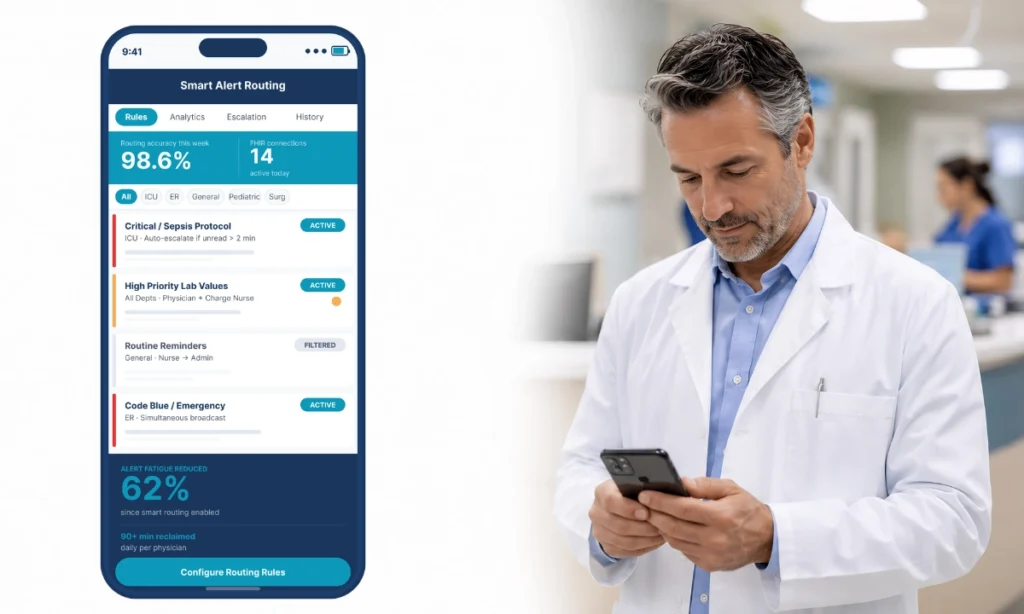
A FHIR (Fast Healthcare Interoperability Resources) clinical communication platform is no longer a future-oriented concept for physician practices; it is an operational requirement.
CMS 0062 P and Clinical Orchestration: Meeting the 24-hour Prior Authorization Mandate Beyond the EHR
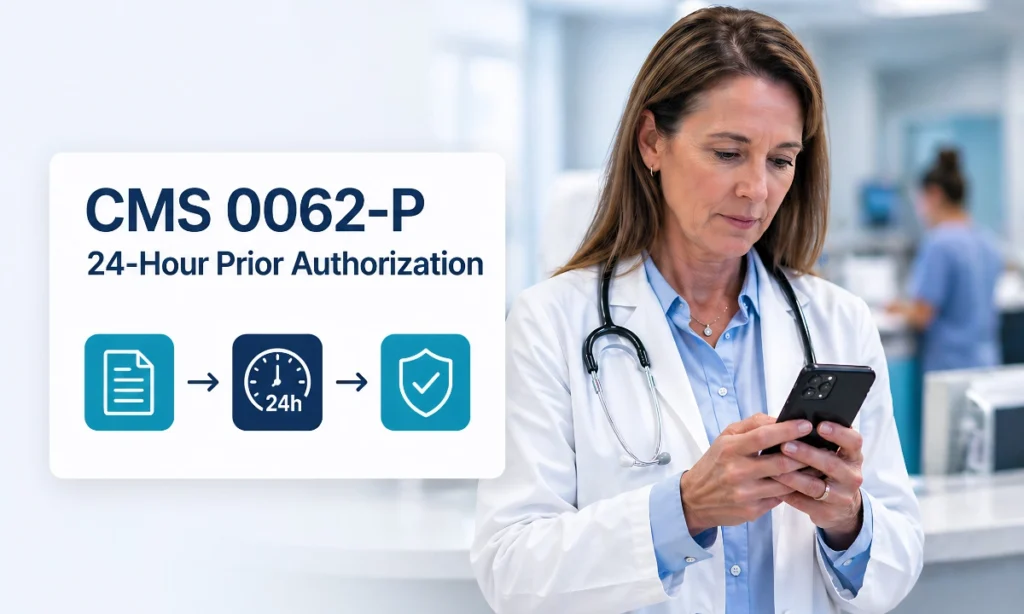
The healthcare regulatory landscape shifted again in April 2026 with the CMS proposed rule known as CMS 0062 P. The rule extends federal prior authorization reform to drugs and introduces a 24-hour expedited decision window that group practices, outpatient clinics, and community hospitals are not currently equipped to meet.
The Most Powerful Clinical Tool Physicians Aren’t Using Effectively
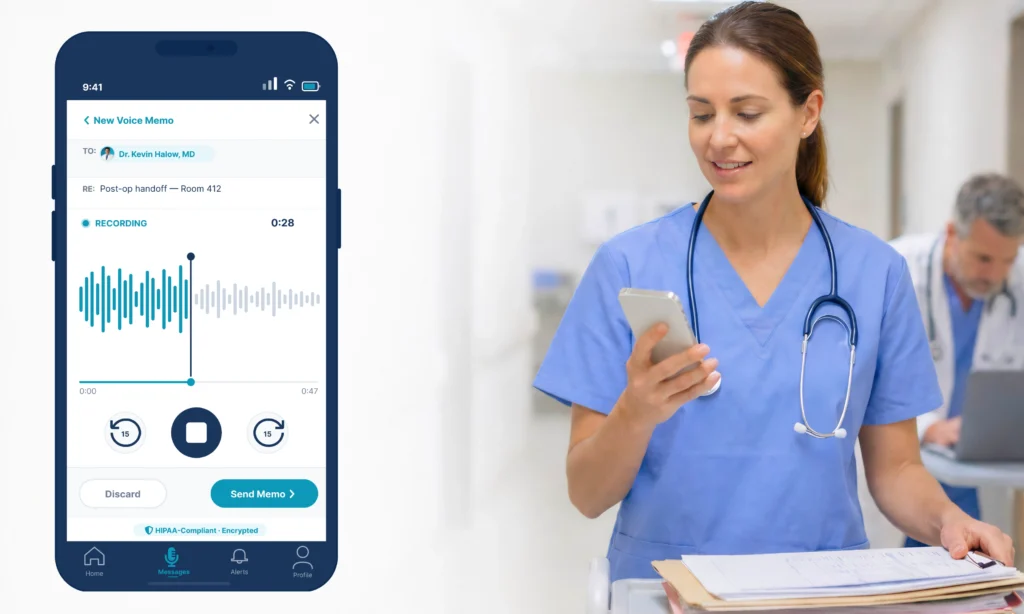
Voice memos in clinical communication represent one of the most underutilized tools available to physicians today, yet the case for adopting them is grounded in hard data, not preference. Physicians already carry the most documentation-intensive role in the clinical enterprise.
HIPAA-Compliant Messaging: The Liability of Consumer Apps
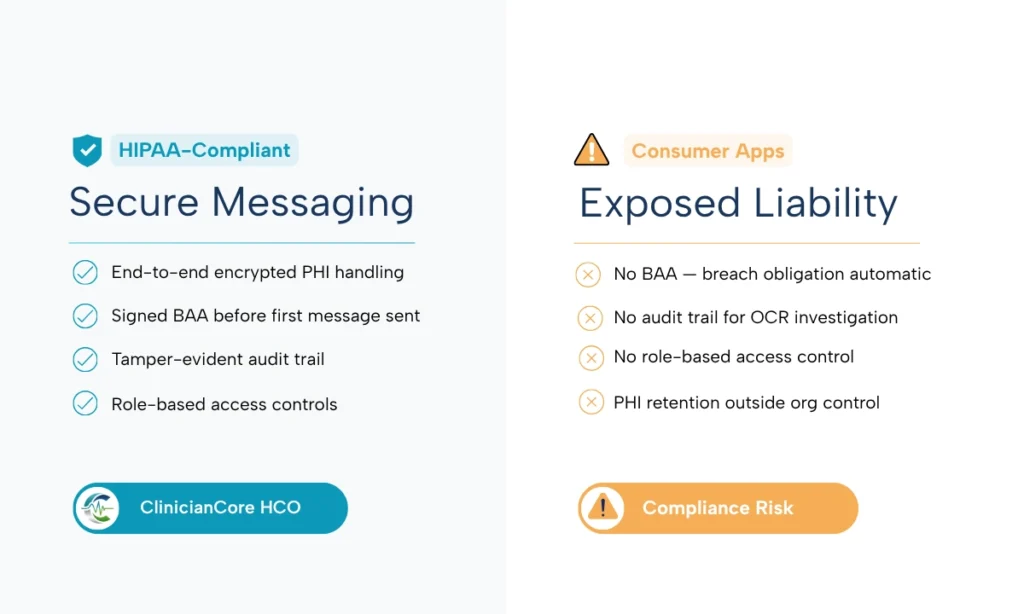
HIPAA compliant messaging vs consumer apps is not a theoretical debate. HHS OCR recorded 725 large healthcare data breaches in 2024, the third consecutive year that breach totals have exceeded 700 (HIPAA Journal, 2025). Consumer messaging applications — apps designed for social contact, not clinical governance — appear repeatedly across the underlying incident reports as undocumented channels carrying protected health information (PHI) with no Business Associate Agreement (BAA), no audit trail, and no defensible access control. For physicians, compliance officers, and practice administrators, the question is no longer whether these tools create liability.
Demystifying End-to-End Encryption: What Healthcare Administrators Need to Know
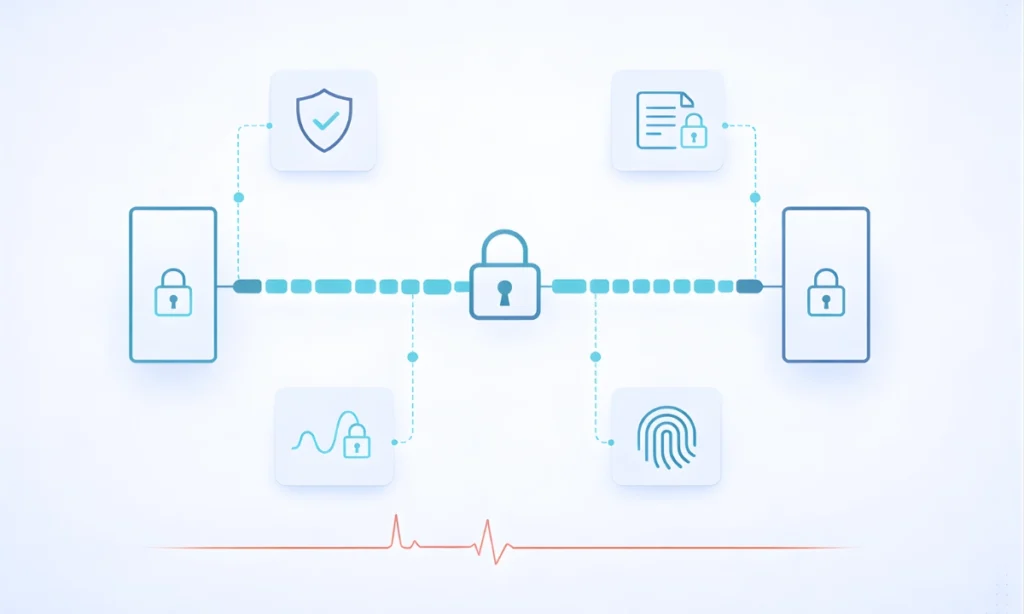
End-to-end encryption in healthcare is the technical foundation of every genuinely HIPAA-compliant communication platform yet it remains one of the most misrepresented terms in healthcare technology.