
Nevada grew from one medical school to four, yet still faces a shortfall of about 2,300 physicians, showing that graduate volume alone doesn't solve workforce shortages.
Physicians who complete both medical school and residency in the same state are far more likely to practice there long-term, making in-state residency capacity the real retention lever.
A regional workforce target of retaining 50% of Southern Nevada's medical school graduates reflects how far the state is from keeping pace with its own training pipeline.
CDC-cited research shows 40 to 60% of medical students report early burnout symptoms, raising doubts about staying in medicine through years of additional training.
When attending physicians are consumed by administrative and communication burdens, teaching moments with residents and students are lost, weakening the pipeline that keeps future physicians local.
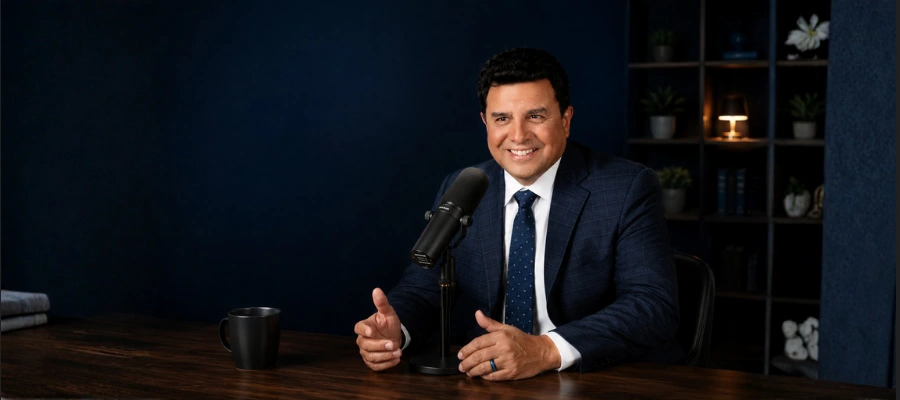
Nevada has expanded from one medical school to four, yet still faces a shortage of roughly 2,300 physicians. Dr. Kevin Halow explains why more graduates hasn't translated into more practicing physicians: limited in-state residency capacity pushes top students to train, and stay, elsewhere. He connects this gap to rising burnout among medical students and the mentorship infrastructure needed to keep physicians local. The episode makes the case that solving Nevada's physician shortage depends less on producing graduates and more on building the residency pipeline and teaching capacity to retain them.
Aug 24, 2026 · 9:41
Aug 10, 2026 · 7:24
Aug 3, 2026 · 8:24
Jul 27, 2026 · 7:11
Jul 13, 2026 · 11:01
Jul 6, 2026 · 8:11