Looking at the near future, a unified communication platform in healthcare will move from being a convenient add-on to becoming the central, intelligent nervous system of a clinician’s daily workflow.
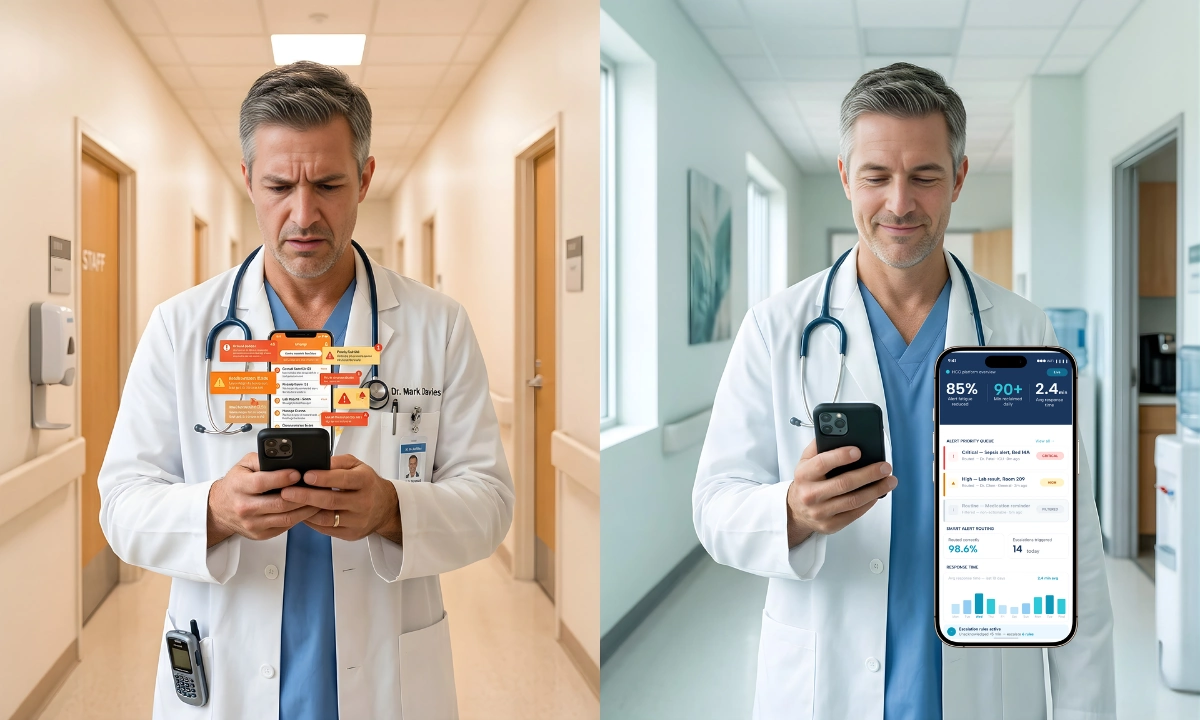
From a clinician’s perspective on the job, this isn’t about new IT software; it’s about fundamentally changing how they experience their day, reducing friction and cognitive load.
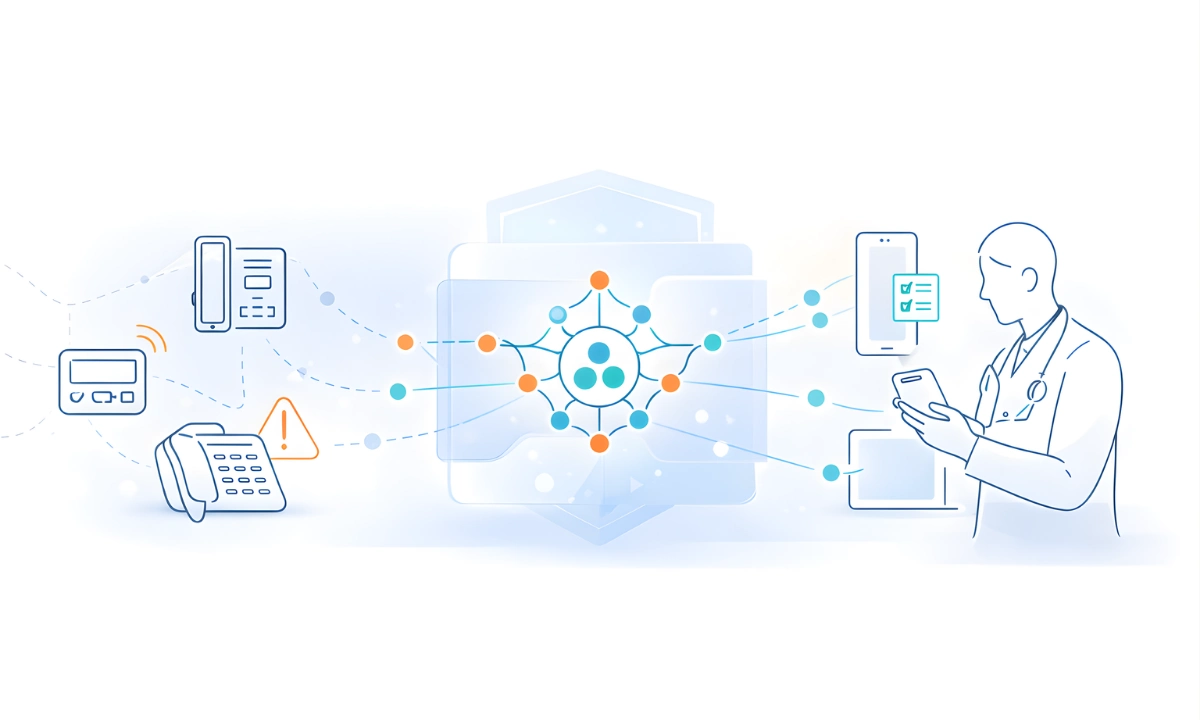
The chaotic juggling of pagers, legacy phones, and separate apps will be replaced by a single, context-aware hub, likely on a purpose-built clinical smartphone designed for secure clinical smartphone communication across care teams.
Research across healthcare systems shows that fragmented communication tools contribute significantly to delayed response times, duplicated tasks, and alert fatigue. Unified communication platforms address these inefficiencies by centralizing context and automating triage at the system level.
This is the foundation of clinical workflow optimization, where communication systems actively reduce inefficiencies instead of adding to them.
Overview
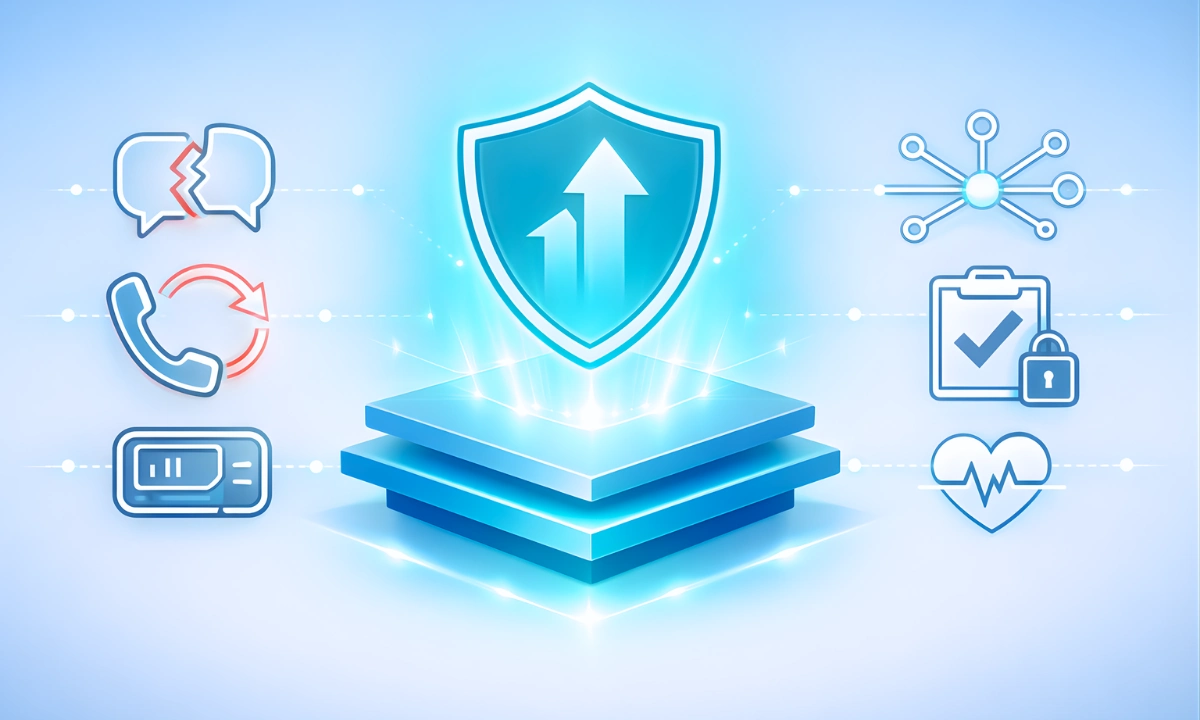
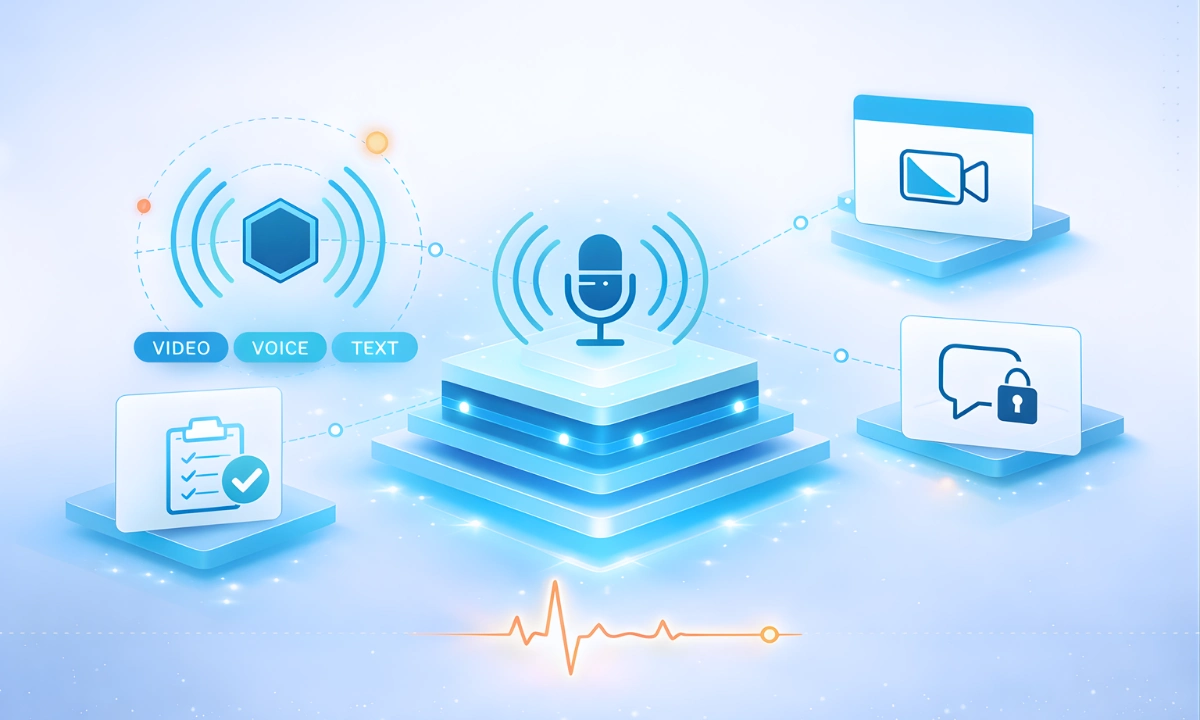
A unified communication platform in healthcare consolidates secure messaging, clinical alerts, video consultations, and EHR access into a single intelligent ecosystem. Rather than functioning as fragmented tools, unified clinical communication platforms orchestrate workflows, prioritize alerts, and reduce cognitive overload for clinicians.
By embedding predictive decision support and contextual collaboration, these systems redefine how clinicians experience their daily workflow
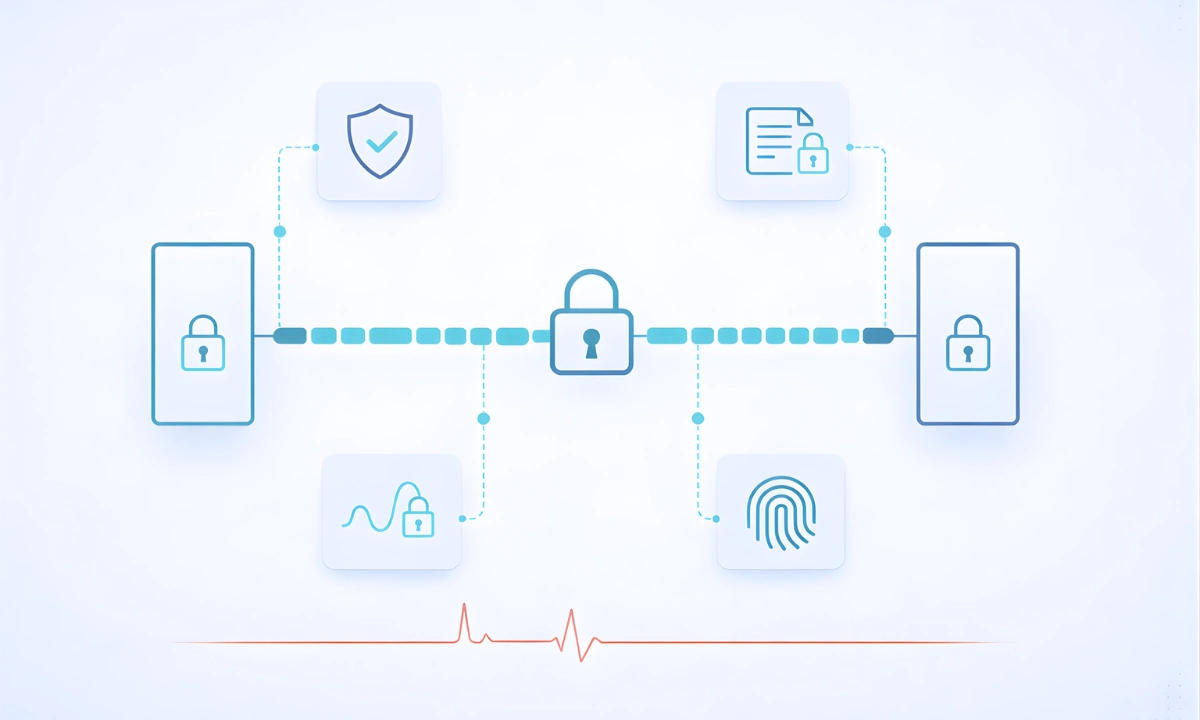
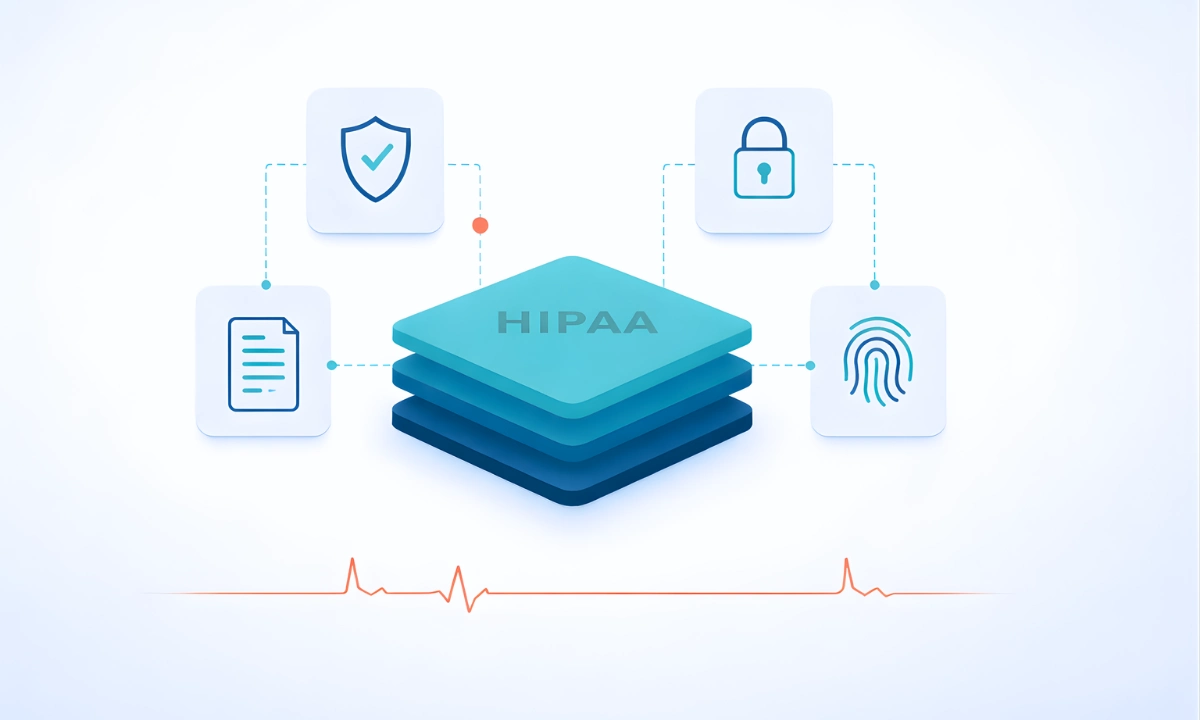
Unlike compliance-focused communication tools, unified platforms are designed to reshape clinical workflow itself; reducing fragmentation rather than simply encrypting it.
Why Unified Clinical Communication Is Replacing Fragmented Systems
Unified clinical communication centralizes messaging, alerts, voice, and EHR context into a single ecosystem. Unlike siloed tools, it creates coordinated, real-time collaboration across care teams.
What Is a Unified Communication Platform in Healthcare?
A unified communication platform in healthcare is a secure, integrated system that centralizes messaging, voice, video, alerts, and patient context into one clinical interface. Unlike fragmented communication tools, unified clinical communication platforms provide contextual awareness, intelligent routing, and seamless integration with Electronic Health Records (EHR). As defined by the Office of the National Coordinator for Health IT, EHR systems serve as the central repository of patient data, enabling real-time clinical collaboration across care teams.
These platforms form the foundation of smart hospital communication systems designed to scale across departments without increasing complexity.
The Future of Care: A Clinician’s Daily Journey
Instead of carrying a pager, a hospital-issued phone, and a personal smartphone, a nurse or doctor will have one device. This single device connects to a secure, cloud-based unified communication system, serving as their brain and command center.
Here’s how it transforms their daily tasks:
1. The Morning Huddle & Patient Rounds are Smarter and Faster
Current Scenario
Clinicians scramble to gather information from the EHR, overnight nurse notes, and lab systems before rounds.
Near Future
The clinician’s UC hub automatically presents a pre-rounds briefing. An intelligent workflow assistant will have already synthesized overnight events, flagged critical lab results, and summarized nursing notes for their specific patient load.
During rounds, if a remote specialist needs to consult, they are conferenced in via a secure video call directly within the patient’s communication thread, with instant access to their chart. Task lists for the day (e.g., order a consult, follow up on imaging) are automatically generated from the conversation.
2. Responding to an Alert Becomes Context-Rich, Not Just Loud
Current Scenario
A generic, startling alarm or pager goes off. The clinician must stop, find a phone, call a number, and determine the patient’s name, room, and priority of the issue.
Near Future
Intelligent clinical precision IoT sensors flag clinical risks, such as elevated pressure ulcer risk or low IV fluid levels. Unified communication platforms interpret and prioritize the data in real time using embedded intelligence, generating a silent, context-rich alert directly to the clinician’s smart device.
Each notification is more than just an alarm; it’s an intelligent command center:
- Patient Context: Name, photo, and room number delivered instantly.
- Clinical Detail: “Pressure Ulcer Risk: High” or “IV Saline Volume: 15%” in plain language.
- Smart Integration: A one-tap gateway to the patient’s EHR for instant data validation.
- Team Coordination: A secure, pre-populated message is dispatched to the resident and charge nurse, ensuring a coordinated and rapid response.
This is no longer a workflow; it’s a care choreography. Powered by embedded intelligence, unified platforms not only connect clinicians but also anticipate their next move.
3. “Quiet” Collaboration Replaces Disruptive Interruptions
Current Scenario
A nurse requires clarification on a non-urgent medication order. They have to page the doctor, interrupting them regardless of what they are doing, leading to phone tag and delays.
Near Future
Intelligent asynchronous workflow support for nurse consults on the unified communication platform. Context-aware presence detection, informed by the physician’s calendar, badge location, and device activity, shows they are “In Surgery.”
Rather than disrupt, the nurse sends a secure asynchronous message, AI-tagged as “non-urgent,” with the patient’s chart attached. The system intelligently:
- Flags the message contextually so the doctor sees it at the optimal time.
- Uses natural language processing to suggest clinical documentation links or protocols.
- Offers quick-reply suggestions based on the chart data and clinical intent.
The physician later responds without breaking surgical focus. This intelligent orchestration preserves clinical flow, minimizes interruptions, and ensures purposeful communication.
This shift toward AI-powered clinical communication enables systems to prioritize alerts, synthesize patient data, and reduce unnecessary interruptions without increasing clinician workload.
4. Handoffs and Discharges are Seamless and Safer
Current Scenario
Shift changes and patient discharges rely on hurried verbal reports and scattered notes, creating a high risk of information loss.
Near Future
Intelligent, Secure Transitions in the Enterprise Unified Communication Platform Redefine Shift and Discharge Workflows.
Here’s how intelligent workflow automation transforms the process:
- Smart Handoff Assistant: Captures verbal sign-outs via voice recognition, then transcribes, summarizes, and maps key care details directly into the patient’s record.
- Intelligently Curated Discharge Packets: Automatically compile tailored instructions, medication schedules, and follow-up plans based on EHR data and discharge diagnosis.
- Care Continuity Tools: Includes secure video links for telehealth visits and sends the packet to family members, ensuring engagement and understanding.
Each workflow becomes an intelligent touchpoint, powered by predictive insights and contextual awareness.
Intelligent Communication Is the Foundation of Efficient, Human-Centered Care
Unified communication platforms represent the next evolution of clinical infrastructure. By replacing fragmented tools with an intelligent, context-aware ecosystem, healthcare organizations can redesign the clinician’s day around clarity rather than interruption.
As technology fades into the background, clinicians regain focus, precision, and time—helping reduce clinician burnout caused by constant interruptions and fragmented systems.
Unified clinical communication platforms sit at the intersection of healthcare AI innovation, medical practice efficiency, and clinician experience transformation. When implemented as enterprise infrastructure rather than isolated tools, they enable scalable collaboration without increasing digital complexity.
Frequently Asked Questions
1. What is a unified communication platform in healthcare?
A unified communication platform in healthcare is a secure, integrated system, often on a clinical smartphone, that combines messaging, video calls, alerts, and EHR access into single intelligent hub for streamlined workflows.
2. How will AI enhance unified communication for clinicians?
AI will automate daily tasks, provide context-rich alerts, summarize patient data, suggest next steps, and optimize communication timing, helping reduce clinician workload and improve decision-making.
3. How can unified communication platforms reduce physician burnout?
By replacing multiple devices and fragmented apps with one intelligent interface, unified communication platforms cut interruptions, reduce cognitive load, and enable clinicians to focus more on patient care.
4. What role will AI play in patient handoffs and discharges?
AI-powered unified communication platforms will capture verbal sign-outs, generate tailored discharge instructions, integrate with the EHR, and share secure telehealth links for continuity of care.
5. Why is the future of healthcare communication moving toward a single device?
Consolidating all communication into one secure, AI-enabled clinical smartphone simplifies workflows, speeds up critical responses, and ensures seamless collaboration across care teams.
How does a unified communication platform differ from standard secure messaging?
Secure messaging encrypts communication, but a unified communication platform orchestrates workflows. It integrates alerts, EHR access, presence detection, video calls, and contextual data into one intelligent interface that reduces fragmentation and cognitive overload.