What Are Organizational Solutions for Physician Burnout
Preventing burnout in healthcare requires systemic change. A comprehensive approach to physician burnout reduction begins with organizational alignment, not individual resilience programs.
For CTOs & CMIOs: Technology should be an invisible support, not a visible obstacle. If your current systems require physicians to act as data routers, your infrastructure is contributing to the cost of physician turnover.
Why Wellness Initiatives Fail (The “Band-Aid” Argument)
For years, the industry standard for preventing burnout in healthcare has been individual-focused: resilience training, mindfulness apps, and the infamous “pizza party.”
While well-intentioned, these initiatives fail because they treat the symptoms of burnout (exhaustion) while ignoring the disease (broken systems). Telling a physician to “be more resilient” while forcing them to navigate 400 unread messages in a fragmented pager system is not a solution; it is a contradiction. Sustainable success requires moving from “worker resilience” to “workflow resilience.”
How to Reduce Administrative Burden in Hospitals
To create lasting change, leadership must attack the root causes of friction.
Reducing Administrative Burden
The most effective way to reduce administrative burden is to automate the non-clinical tasks that eat up 30-50% of a physician’s day.
- Automated On-Call Scheduling: Replace manual spreadsheets with dynamic software that syncs instantly across the network.
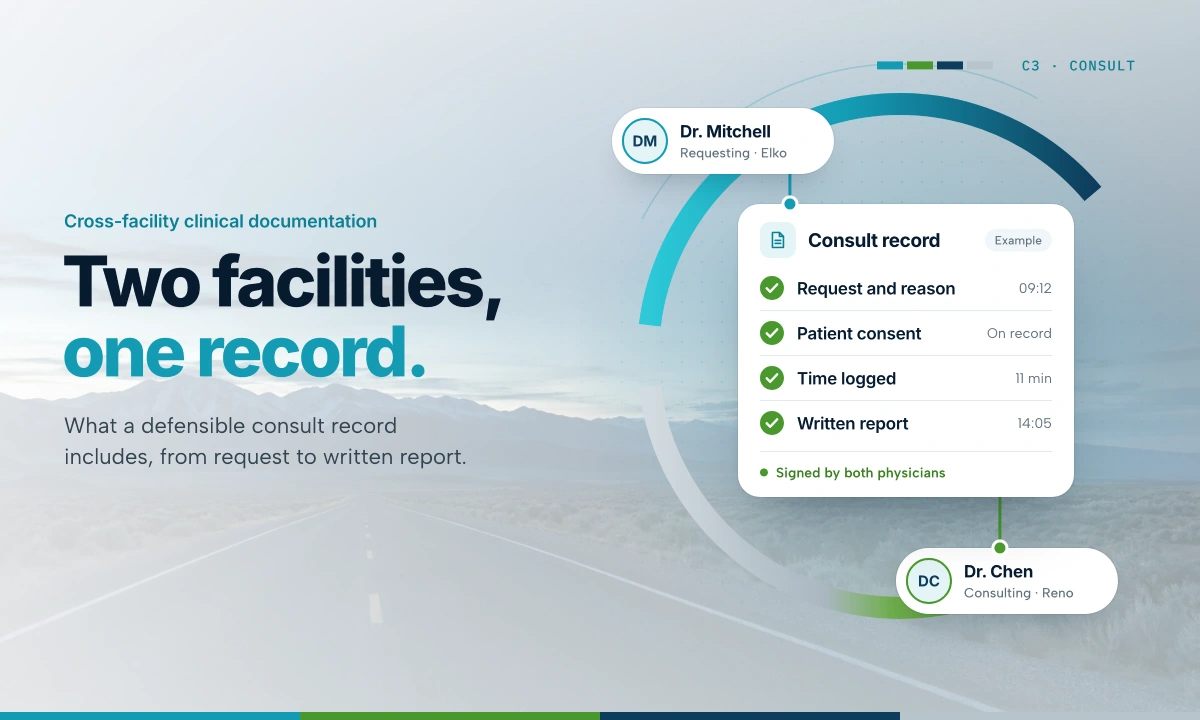
- Streamlined Referrals: Use Unified Clinical Communications Platforms like ClinicianCore to automate the routing of consult requests, ensuring the right doctor gets the right message without a game of telephone.
- In-Basket Management: Implement AI-driven sorting to filter low-priority messages before they reach the physician’s eyes.
Improving Communication Workflows
In a 2026 landscape defined by always-on communication expectations, unstructured digital noise has become a primary driver of operational inefficiency.
- Eliminate Context Switching: Legacy paging systems force clinicians to toggle between disjointed devices, severing their focus. Strategy dictates a transition to unified, mobile-first platforms that consolidate dialogue and data into a single, coherent stream.
- Mitigate Cognitive Overload: Not every digital ping warrants neural processing. Intelligent systems must aggressively filter notifications, strictly distinguishing between “Critical/Stat” interruptions and asynchronous “FYI” updates to preserve the clinician’s decision-making capacity.
Stress in Healthcare Workers and Systemic Causes

Strategies for preventing burnout in healthcare often fail by treating symptoms of stress in healthcare workers rather than the root cause: broken operational environments.
To effectively reduce administrative burden, leadership must pivot from “worker resilience” to “workflow resilience”, engineering friction out of the system rather than demanding endurance from the clinician.
Case Studies: Hospitals That Reduced Stress in Healthcare Workers
The Scenario: A mid-sized regional hospital faced rising stress in healthcare workers due to after-hours communication volume.
The Fix: They implemented a “Quiet Hours” protocol using a unified communication platform (like ClinicianCore) that auto-routed non-urgent messages to the on-call shift, protecting off-duty MDs.
The Result:
- 30% Reduction in after-hours interruptions.
- 15% Improvement in self-reported work-life balance scores within 6 months.
How Technology Can Reduce Administrative Burden in Healthcare
Not all technology is created equal. For the CMIO, the challenge is distinguishing between “Additive” and “Subtractive” tools.
| Tech Category | Characteristic | Impact on Burnout |
| Clunky EHRs | Adds clicks; requires manual data entry; poor UI. | Increases Burnout (Cognitive Load) |
| Unified Comms (ClinicianCore) | Removes steps; consolidates devices; intuitive UI. | Decreases Burnout (Cognitive Ease) |
Checklist for Healthcare Leaders: Is Your Tech Stack Burnout-Proof?

Before you buy another wellness app, audit your operations.
- Interoperability: Do your systems talk to each other, or does the doctor have to copy-paste info?
- Mobile First: Can critical workflows be completed on a phone, or is a desktop login required?
- Alert Hygiene: Do you have policies in place to limit “Reply All” and non-urgent broadcasting?
- Speed: Does it take fewer than 3 clicks to find a specialist on call?
- Feedback Loops: Do you have a formal channel for physicians to report IT frustrations?
Audit your current technology stack to identify the specific communication gaps driving cognitive load.
Discover how ClinicianCore engineers administrative friction out of the clinical workflow.
Key Takeaways
- Structural Definition: Organizational Solutions for Physician Burnout are structural interventions, not individual wellness programs. They focus on fixing broken workflows, optimizing technology stacks, and eliminating the need for clinicians to act as “data routers.”
- Systemic Failure: Traditional strategies for preventing burnout in healthcare like resilience training, often fail because they address the symptoms of exhaustion rather than the root cause: broken operational environments.
- Operational Interventions: The most effective interventions to reduce administrative burden include automating on-call scheduling, streamlining referrals through Unified Communications Platforms, and using AI to filter low-priority messages.
- Workflow Resilience: Reducing stress in healthcare workers requires a shift from “worker resilience” to “workflow resilience” engineering friction out of the system by eliminating context switching and mitigating cognitive overload.
- Tech Burden vs. Benefit: Not all technology helps; “additive” tools like clunky EHRs increase cognitive load, while “subtractive” tools like Unified Communication platforms reduce steps and restore clinical focus.
Frequently Asked Questions
What are the most effective organizational solutions for physician burnout?
The most effective organizational solutions for physician burnout involve systemic workflow improvements that directly reduce administrative burden. Leadership must prioritize unified communication platforms to eliminate fragmentation, optimize EHR interactions to decrease cognitive load, and automate non-clinical tasks to restore provider focus on patient care.
What are organizational solutions for physician burnout?
Organizational solutions for physician burnout are structural interventions that fix broken clinical workflows, such as reducing administrative burden and optimizing communication technology.
How can technology reduce physician burnout?
Technology reduces burnout when it simplifies workflows. Unified communication platforms that replace pagers and automate scheduling remove ‘click fatigue’ and cognitive load from the provider.